
Inside the Ondol, Korea’s Traditional Floor-Based Method of Indoor Heating
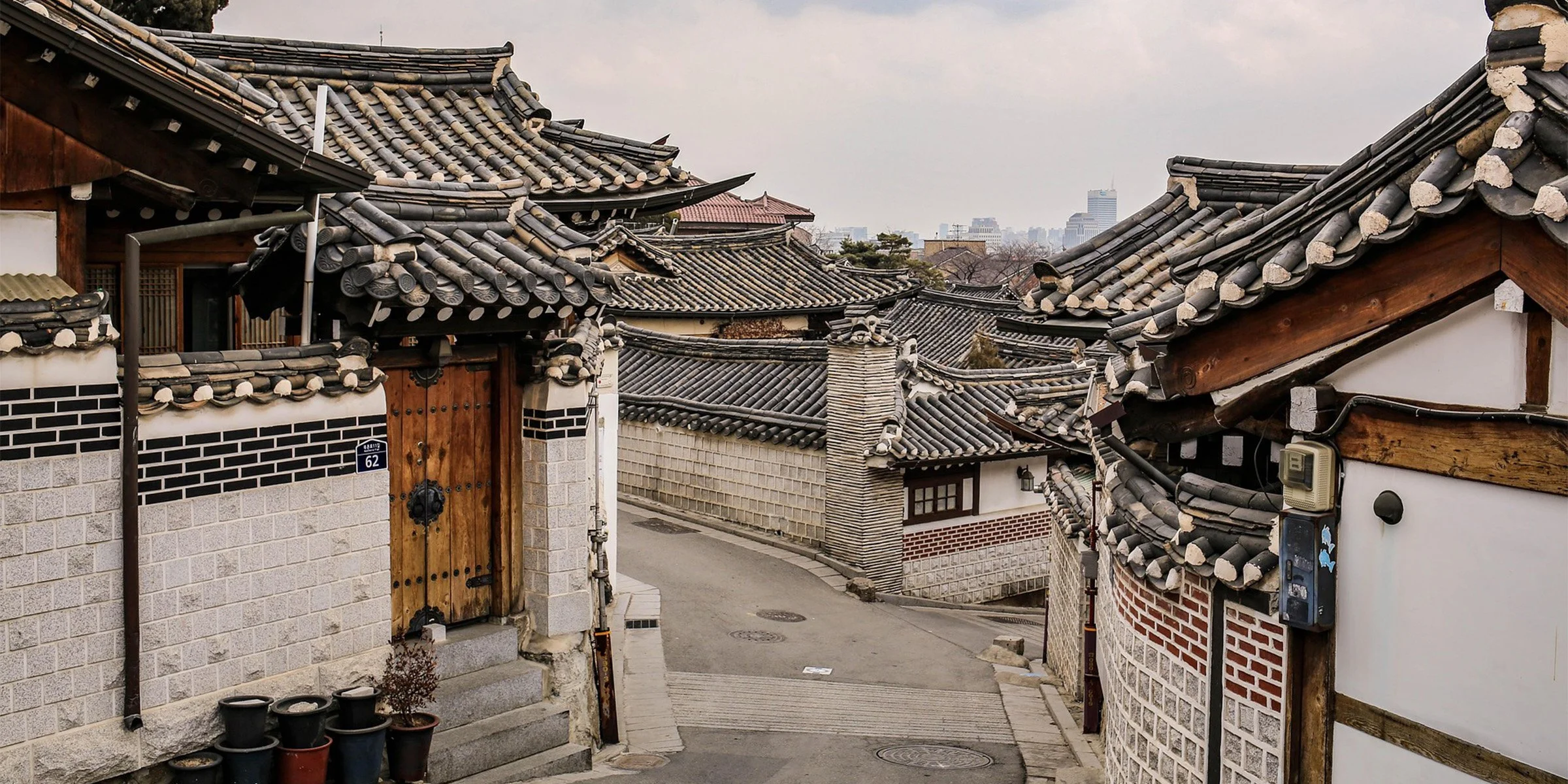
Photo: Herbert Lee from Pixabay
Throughout most of the cold-climate world, warming one’s house is most commonly accomplished via radiators, furnaces, or fireplaces. In South Korea, however, the most common form of interior living space heating is the ondol, a type of heating that radiates up from the floor from heating systems placed underneath one’s own feet. Stretching back over a thousand years, the ondol remains in both traditional Korean hanok-style architecture and a modern-day high-rise apartment. Meaning “warm stone,” the ondol provides an insightful look into a historical method of surviving the harsh winters of the Korean Peninsula that carries into the modern thermal-efficiency practices of contemporary South Korea.
The first documented ondol record dates to about 1000 CE, located in Unggi in modern-day North Korea. Traditional ondols of the Joseon era utilized heat flues, strategically placed under floors during construction, to channel heat from ovens and existing fireplaces in the kitchen area. The flame would be directed via a horizontal flue on the side of the stove, rather than vertically, to channel smoke effectively under the flooring, rather than naturally upwards. The smoke would then travel beneath the mud-and-stone floor of the ondol room to a chimney on the other side. This resulted in an architectural balancing game: the heat flues needed to trap the smoke long enough to heat the stones, while still keeping the smoke circulating out of the chimney on the far end of the subfloor flues. The smoke would then heat the stones, which would then retain the heat far beyond the lifespan of the cooking fire, resulting in incredibly innovative thermal efficiency. The smoke would also naturally kill insects, mold, or fungi that would develop in the wooden hanok homes, serving a secondary sanitary purpose beyond heating. And, the warm stones would then heat the clean air above them in the ondol room, which would then dissipate across the room, providing heating throughout. The traditional ondol, constructed out of mud, stone, and channeled heating flues below, was papered over with bean oil and/or wax and mulberry paper, making the ondol flooring a smooth, easy-to-clean, and water-resistant surface.
Additionally, scholars note the connection between heated flooring systems and Korean culture’s value on the floor as a place for eating, sleeping, and congregating with family: shoes are immediately removed upon entering a home; traditionally, families would sleep on the floor using thin cushioned padding called yo as a mattress-equivalent, while dining furniture is constructed low to the floor so that the user can sit or kneel on the floor. All of this is a part of Korea’s “living floor” culture, and all of it is contextualized by the significance of the ondol. In the biting winter cold, if the floor is the warmest part of the home, it only makes sense for life to then revolve around the floor. This is reflected in Traditional Korean Medicine (TKM), which stresses that heating the lower half of the body and cooling the upper half is critical to overall balance and health. And so, while the ondol is certainly not the only explanation for living floor culture, it invariably plays a huge role in the functionality of laying, sleeping, eating, congregating, and living on the floor.
A contemporary Korean apartment, while not incorporating the traditional elaborate mud, stone, flue system, still retains the spirit of the ondol, utilizing a system of sub-floor pipes and heated water to channel heat through the floor at the click of the button. This water-based system was popularized in response to a public health crisis of carbon-monoxide poisoning events in the 1960s: as traditional ondols moved from using firewood to briquettes, any cracks in the mud and stone barrier could, and in some instances did, prove fatal as the carbon monoxide gas leaked into the home from the floor.
In 2018, the South Korean Cultural Heritage Association named the ondol an officially designated National Intangible Cultural Property. Today, apartment-heating systems lay down the ondol pipe paneling first, before covering it with the flooring. And while air conditioning, and sometimes secondary heating, is typically via a wall-mounted unit, in winter, the ondol-style of subfloor heating, remains supreme.