
Life in Oshikatsu Technicolor: The Rise of Japanese Fan-Lifestyle
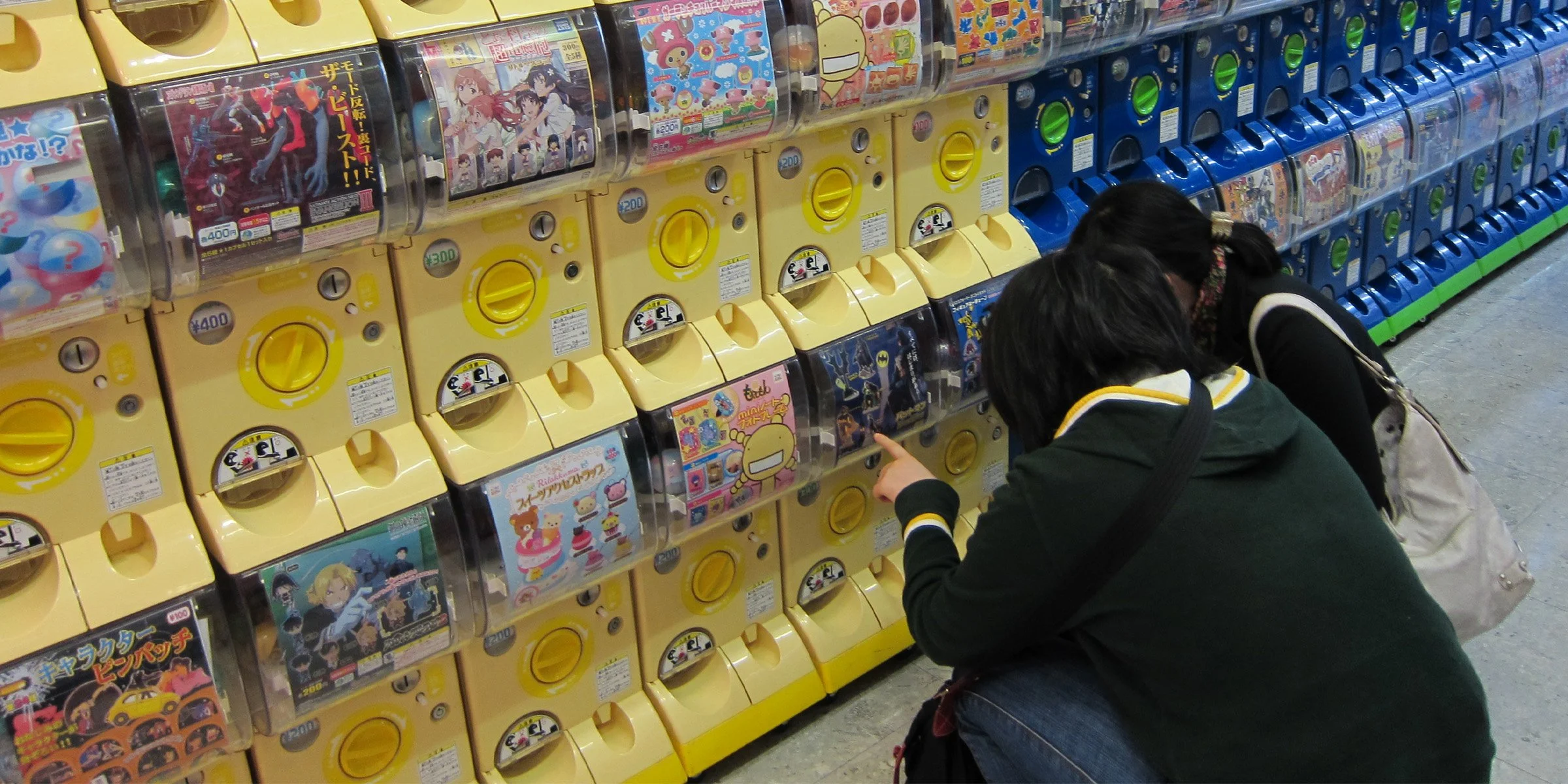
"IMG_0362" by hslo is licensed under CC BY-SA 2.0 / Link to original photo: Flickr
Recently gaining traction in global fan spaces, oshikatsu, a Japanese subfandom culture stemming from the terms oshi (推し) [push/support] and katsu (活) [activity], refers to a dedicated lifestyle of supporting one’s oshi, character, celebrity, etc. Even animals or objects can be oshi, to the right supporter who deems it worthy of living their life in support. Participants in oshikatsu “push” their oshis through activities such as purchasing and displaying merchandise, posting birthday advertisements, generating online buzz, attending concerts, writing fan fiction, or creating fan art. In essence, it’s a specific label for the act of living as a devoted fan and dedicating time and energy to promoting one's oshi.
While the practice emerged in the 1980s, its rise to popularity can be traced to AKB48’s revolutionary impact on the Japanese idol industry, marketing themselves on intimacy and face-to-face support, generating sales through meet and greet and other one-on-one fan engagement activities, and internal competition-based activities (Senbatsu elections) where fans would vote for their favorite member to front the next album. All of this contributed to transforming Japanese fandom culture by emphasizing that fans can be active participants in both directly uplifting their oshis and also pushing them upwards and onwards to stardom. And, AKB48’s 2012 song “Team B Oshi” popularized the term oshi, which would meld with katsu in 2016 on online spaces.
This term tends to come with an economic expectation, with a survey finding that as high as 11% of Japan’s population could be participating in oshikatsu activities, spending on average 250,000 yen (about $1,500) per year on their oshis, according to Reuters. This results in an estimated 3.5 Trillion yen per year generated for the Japanese consumer economy. In Western fandom spaces, the term oshikatsu has recently been adopted to refer to many similar fan activities, which often stem from Japanese otaku aesthetics trends: decorating ita bags, posing dolls and acrylic stands with food or flatlays, and collecting gacha-based can badges. But the term itself, nominated for Japan’s word of the year in 2021, is much more encompassing. There is no right form of oshikatsu, merely the decision to live one’s life in a way that supports their designated oshi. Many Japanese people view oshikatsu as a form of relief or mental healthcare, giving them an ikigai (reason for living).
And while oshikatsu is a distinctly Japanese term, the phenomenon of living as a fan is not geographically restricted. Reading about oshikatsu activities: attending concerts, displaying merchandise, wearing merchandise, building little shrines to one's favorite in their room, making fan art — these activities are synonymous across fandom spaces globally. And the aesthetics of many classic oshikatsu-display staples have crossed borders too: Chinese fans on Xiaohongshu decorate their own repeat ita bags, every K-Pop group will sell you a concert-specific uchiwa, and rosettes offer the latest up-and-coming global oshi display trend, right next to can badges and photocard holders. Oshikatsu, in this way, serves a distinctive function as a label for fan-life, linking stan activities with fulfillment, support, and lifestyle.